
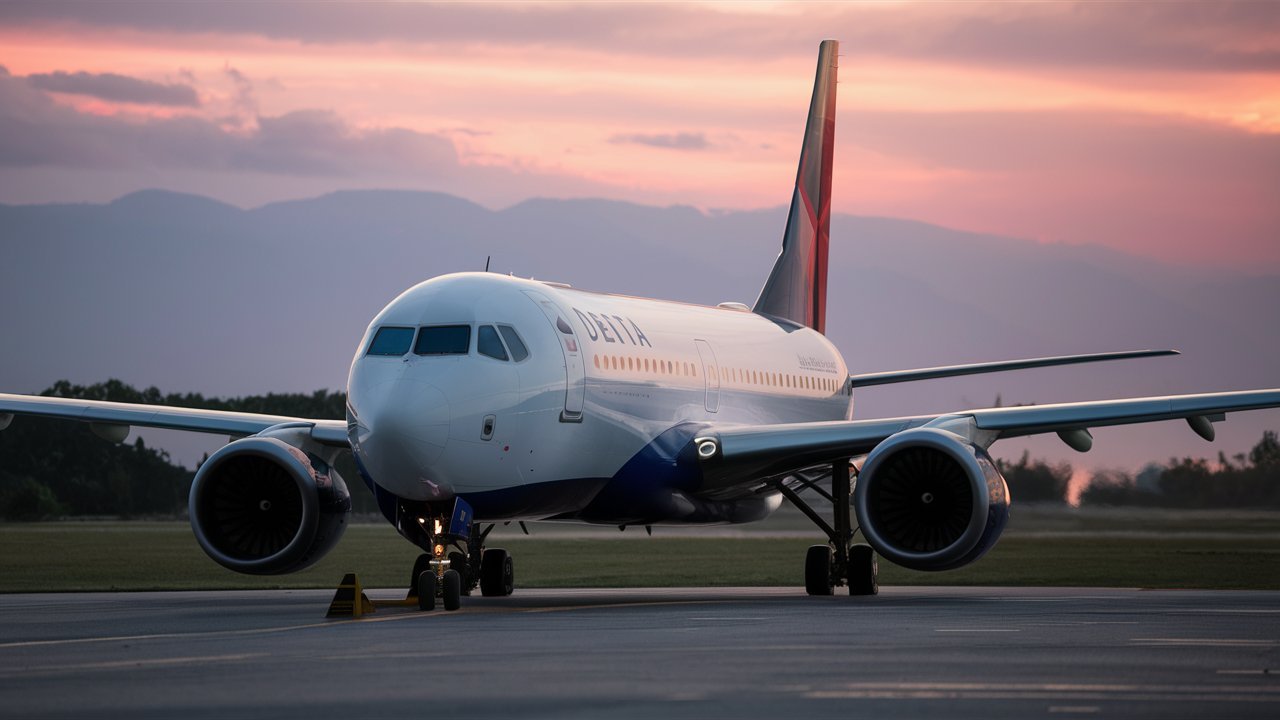
The Delta Connection DL3543 emergency landing quickly became a topic of discussion among travelers and aviation enthusiasts who follow airline safety and real-time flight incidents. When a commercial flight diverts from its planned route and performs an emergency landing, it naturally raises concerns about passenger safety, aircraft condition, and airline protocols. In the case of Delta Connection flight DL3543, the situation drew attention due to the seriousness implied by the term “emergency landing,” even though such procedures are often precautionary and handled professionally by trained crews. Understanding what happened, how emergency landings work, and how airlines like Delta Air Lines manage these situations can help reduce confusion and speculation.
Emergency landings are not uncommon in modern aviation, and they are usually executed with high levels of safety. Commercial aviation remains one of the safest forms of transportation in the world, largely due to strict regulations, redundant aircraft systems, and rigorous pilot training. The Delta Connection DL3543 emergency landing serves as an example of how these safety systems are designed to respond effectively when something unexpected occurs mid-flight.
What Is Delta Connection and Flight DL3543?
Before diving deeper into the Delta Connection DL3543 emergency landing, it is important to understand what “Delta Connection” means. Delta Connection is the regional brand under which partner airlines operate shorter domestic routes on behalf of Delta Air Lines. These regional flights typically use smaller aircraft and connect passengers from smaller cities to major hub airports, where they can transfer to long-haul or international flights.
Flight DL3543 was operating under the Delta Connection banner, meaning it was likely flown by a regional partner airline but marketed and ticketed through Delta. Like other regional flights, DL3543 would have followed strict Federal Aviation Administration (FAA) guidelines and airline-specific safety protocols. When reports of the Delta Connection DL3543 emergency landing surfaced, many passengers wanted to know whether the aircraft experienced a mechanical issue, weather-related complication, or a medical emergency onboard. In most cases, such landings are precautionary and are executed to ensure the continued safety of everyone involved.
What Caused the Delta Connection DL3543 Emergency Landing?
Whenever an emergency landing occurs, speculation often spreads quickly online. However, it is important to rely on verified information rather than rumors. Emergency landings can happen for various reasons, including mechanical irregularities, unusual instrument readings, smoke detection warnings, hydraulic issues, engine performance concerns, or even medical emergencies involving passengers or crew members.
In situations like the Delta Connection DL3543 emergency landing, the flight crew may have identified a technical indication that required immediate attention. Modern aircraft are equipped with advanced monitoring systems that alert pilots to even minor irregularities. These systems are intentionally designed to err on the side of caution. If something appears outside normal parameters, pilots may decide to divert and land at the nearest suitable airport rather than continue to the destination. This decision is not a sign of danger, but rather a reflection of aviation’s strong safety culture.
Sometimes, emergency landings are declared out of procedural necessity. For example, pilots may declare an emergency to receive priority landing clearance from air traffic control, ensuring the aircraft lands quickly and safely without delay. This allows emergency services to be on standby as an added precaution.
How Emergency Landings Work in Commercial Aviation
To better understand the Delta Connection DL3543 emergency landing, it helps to look at how emergency procedures function in general. When pilots detect a potential issue, they follow a detailed checklist that corresponds to the specific warning or situation. These checklists are standardized and practiced regularly in flight simulators during training sessions.
Once a decision to divert is made, air traffic control is immediately informed. The aircraft is then guided to the nearest suitable airport, taking into account runway length, weather conditions, airport facilities, and emergency response availability. Cabin crew members prepare passengers by giving clear instructions, ensuring seat belts are fastened, and securing the cabin for landing.
Emergency responders, including fire and medical teams, are often positioned near the runway as a precaution. In the vast majority of cases, aircraft land safely without incident, and passengers disembark normally. The term “emergency landing” can sound dramatic, but in practice, it is often a controlled and precautionary maneuver.
Passenger Experience During the Delta Connection DL3543 Emergency Landing
For passengers onboard Delta Connection DL3543, the experience may have been stressful, particularly if limited information was available during the event. It is common for flight crews to provide calm and measured announcements, explaining that the aircraft will divert as a precaution. Maintaining composure in the cabin is essential, and airlines train their crews to communicate clearly while avoiding unnecessary alarm.
After landing, passengers may have been asked to remain seated while the aircraft was inspected. Depending on the situation, they might have been transferred to another aircraft or rebooked on alternative flights. Airlines typically provide assistance such as meal vouchers, hotel accommodations (if required), and rebooking options. Customer service teams step in to ensure minimal disruption to travel plans.
Incidents like the Delta Connection DL3543 emergency landing often demonstrate how airlines prioritize safety above scheduling convenience. While delays are inconvenient, the decision to land early is always rooted in protecting lives.
Airline Safety Protocols and Aircraft Inspections
Following an event like the Delta Connection DL3543 emergency landing, the aircraft involved typically undergoes a thorough inspection. Maintenance teams examine the systems related to the reported issue, whether mechanical, electrical, or environmental. If a part needs replacement or repair, it is addressed before the aircraft returns to service.
Additionally, airlines may file internal safety reports and cooperate with aviation authorities if required. The aviation industry operates under strict oversight, and transparency is a core part of maintaining public trust. Data from such events are often analyzed to improve procedures, refine maintenance schedules, and enhance pilot training programs.
It is important to remember that aviation safety is built on redundancy. Aircraft are designed with multiple backup systems so that a single malfunction does not compromise overall flight integrity. The Delta Connection DL3543 emergency landing likely reflected the effectiveness of these safeguards rather than a failure of them.
Media Coverage and Public Reaction
When news spreads about an emergency landing, social media can amplify speculation. Headlines may use dramatic wording that increases anxiety among readers. However, aviation experts often emphasize that emergency landings are part of routine safety management.
The Delta Connection DL3543 emergency landing may have prompted online discussions, but industry professionals typically view such incidents as examples of systems working correctly. The crew identified a concern, acted promptly, and ensured a safe landing. That is precisely how aviation safety is intended to function.
Conclusion: What the Delta Connection DL3543 Emergency Landing Teaches Us
The Delta Connection DL3543 emergency landing serves as a reminder of the strength of modern aviation safety systems. While the phrase “emergency landing” can sound alarming, it often reflects precaution, professionalism, and a commitment to passenger safety rather than imminent danger. Pilots are trained to handle a wide range of scenarios, and aircraft are engineered with multiple layers of protection to prevent serious outcomes.
For travelers, understanding how emergency procedures work can provide reassurance. Airlines like Delta and its regional partners operate under some of the strictest safety standards in the world. In most cases, incidents such as the Delta Connection DL3543 emergency landing end safely, demonstrating that aviation’s layered approach to safety continues to protect millions of passengers every day.
Frequently Asked Questions (FAQs)
1. Was the Delta Connection DL3543 emergency landing dangerous?
In most cases, emergency landings are precautionary and not the result of immediate danger. Pilots may declare an emergency to receive priority handling even if the issue is minor.
2. What usually causes flights like DL3543 to divert?
Common reasons include mechanical warnings, unusual system readings, weather conditions, or medical emergencies onboard. Modern aircraft systems are designed to detect even small irregularities.
3. Are emergency landings common in commercial aviation?
While not daily occurrences for passengers, emergency landings are not rare in global aviation. Most are precautionary and end safely.
4. Do passengers receive compensation after an emergency landing?
Compensation depends on the cause and airline policy. Airlines often provide rebooking assistance, meals, or accommodations if needed.
5. Is Delta Connection safe to fly with?
Yes. Flights operated under the Delta Connection brand follow the same safety standards and regulatory oversight as mainline Delta flights, maintaining high levels of aviation safety.
