
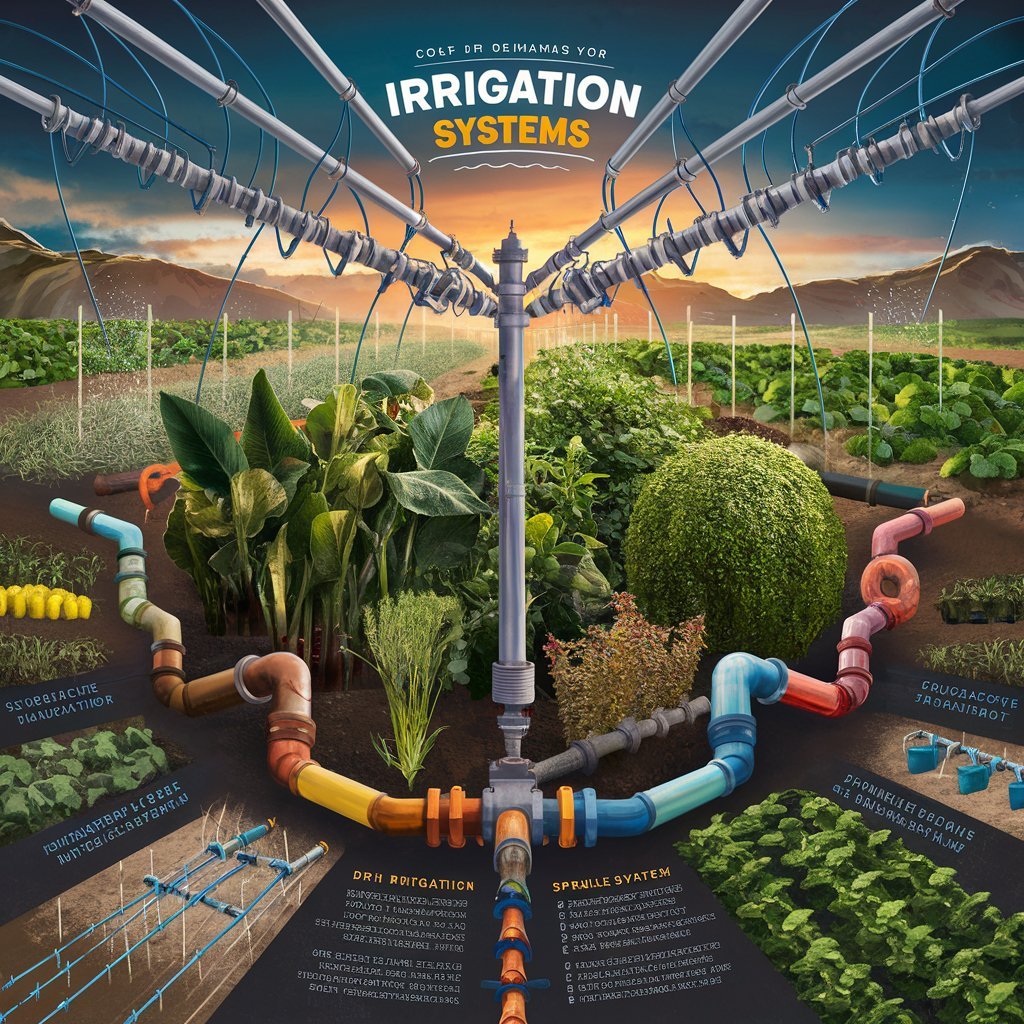
Irrigation systems, commonly referred to as irri sys, are essential tools for modern agriculture, landscaping, and even home gardening. With water scarcity becoming a pressing global issue, efficient irrigation is more important than ever. Properly designed and maintained irrigation systems not only ensure that plants receive the right amount of water at the right time but also conserve resources, reduce labor, and enhance crop yields. From small home gardens to large-scale agricultural operations, understanding the types, benefits, and maintenance of irrigation systems can make the difference between thriving plants and wasted water. This article provides a comprehensive overview of irrigation systems, exploring their types, installation, benefits, and practical tips for users.
What Are Irrigation Systems?
Irrigation systems, or irri sys, are mechanisms designed to supply water to soil or plants in a controlled and efficient manner. Unlike relying solely on rainfall, these systems allow farmers and gardeners to maintain consistent soil moisture, which is critical for plant growth, especially in arid or drought-prone regions. At their core, irrigation systems consist of components like water sources, pumps, pipes, valves, and sprinklers or drip emitters. These systems can be automated or manually operated, depending on the scale and requirements of the project. Modern irrigation systems often incorporate technology such as timers, moisture sensors, and even smart apps to optimize water distribution and prevent overwatering.
Types of Irrigation Systems
Irrigation systems come in various forms, each suited to different environments, crops, and budgets. Understanding the options is essential for selecting the best system for your needs.
1. Surface Irrigation
Surface irrigation involves distributing water across the soil by gravity. This is one of the oldest methods and includes techniques such as furrow, basin, and border irrigation. Although it requires careful land leveling and management to prevent runoff and water wastage, it remains a popular choice for crops like rice, wheat, and vegetables. Surface irrigation is cost-effective but can be less efficient than modern methods in terms of water conservation.
2. Drip Irrigation
Drip irrigation, also known as trickle irrigation, delivers water directly to the roots of plants through a network of pipes and emitters. This method minimizes evaporation and runoff, making it one of the most water-efficient irrigation systems available. Drip irrigation is particularly effective for orchards, vineyards, and vegetable gardens. It allows precise control over water delivery, helping to improve plant health, reduce disease risk, and increase yield.
3. Sprinkler Irrigation
Sprinkler systems mimic rainfall by distributing water through overhead sprays or rotating nozzles. This type of irrigation is versatile and suitable for both small lawns and large agricultural fields. Sprinklers can be fixed, portable, or automated, and advanced systems can adjust spray patterns and timing based on weather conditions. While sprinklers are efficient for uniform coverage, they may result in higher evaporation losses compared to drip irrigation.
4. Subsurface Irrigation
Subsurface irrigation delivers water below the soil surface, directly to the root zone through buried tubes or porous pipes. This method reduces evaporation and minimizes surface wetting, which can help prevent fungal diseases. Although the installation cost is higher, subsurface irrigation is highly efficient for high-value crops and long-term agricultural projects.
Benefits of Using Irrigation Systems
Investing in a quality irri sys offers numerous advantages that go beyond simply watering plants.
-
Water Conservation – Modern irrigation systems use water efficiently, reducing wastage through evaporation and runoff. Drip and subsurface irrigation systems are particularly effective in conserving water.
-
Enhanced Crop Yield – Consistent and precise watering ensures that plants receive the necessary nutrients and hydration, leading to healthier growth and higher yields.
-
Labor Savings – Automated irrigation systems reduce the need for manual watering, saving time and labor costs, especially in large-scale farming operations.
-
Flexibility Across Crops – Irrigation systems can be tailored to different crops and soil types, ensuring optimal growth for vegetables, fruits, grains, and ornamental plants.
-
Environmental Benefits – Efficient irrigation reduces water stress on local water bodies and minimizes soil erosion, contributing to sustainable agriculture practices.
Installation and Maintenance Tips
Installing an irrigation system requires careful planning. Start by evaluating the type of crops or plants, soil type, and water source. Mapping your garden or field and designing a layout will ensure even coverage and efficient water usage. For maintenance, regularly check for clogged emitters, leaks, and pump issues. Seasonal flushing of pipes and cleaning of filters are critical to prevent blockages. Automated systems may require occasional software updates or sensor recalibration to maintain performance. Proper installation and maintenance not only extend the system’s lifespan but also maximize water savings and plant health.
Common Challenges and Solutions
Even the best irrigation systems can face challenges if not properly managed. Some common issues include water wastage, uneven coverage, clogged emitters, and equipment failure. To overcome these problems, users should monitor soil moisture levels, regularly inspect system components, and adjust schedules based on weather conditions. Investing in high-quality materials and using smart irrigation controllers can also minimize operational challenges.
Conclusion
Irrigation systems, or irri sys, are indispensable tools for modern agriculture, landscaping, and sustainable water management. By choosing the right type of system and maintaining it properly, users can optimize water usage, improve plant health, and boost crop productivity. Whether you are a small-scale gardener or a large commercial farmer, understanding the principles of irrigation and the benefits it offers will ensure that your plants thrive while conserving one of our most precious resources: water.
Frequently Asked Questions (FAQ)
Q1: What is the most water-efficient irrigation system?
The most water-efficient systems are drip irrigation and subsurface irrigation, as they deliver water directly to the plant roots with minimal evaporation and runoff.
Q2: Can I install an irrigation system myself?
Yes, many small-scale systems like drip and sprinkler setups can be installed by homeowners. However, large-scale or automated systems may require professional installation to ensure optimal performance.
Q3: How often should I maintain my irrigation system?
Maintenance should be performed seasonally, including checking for leaks, cleaning filters, and inspecting emitters or sprinklers to prevent clogs and ensure even water distribution.
Q4: Does irrigation waste water?
When designed and managed properly, irrigation systems save water. Inefficient systems or poor maintenance can lead to wastage, so it’s crucial to monitor performance and adjust schedules as needed.
Q5: Can irrigation systems be automated?
Yes, modern systems can be automated using timers, moisture sensors, and even smartphone apps to control water distribution, making irrigation more convenient and efficient.
