
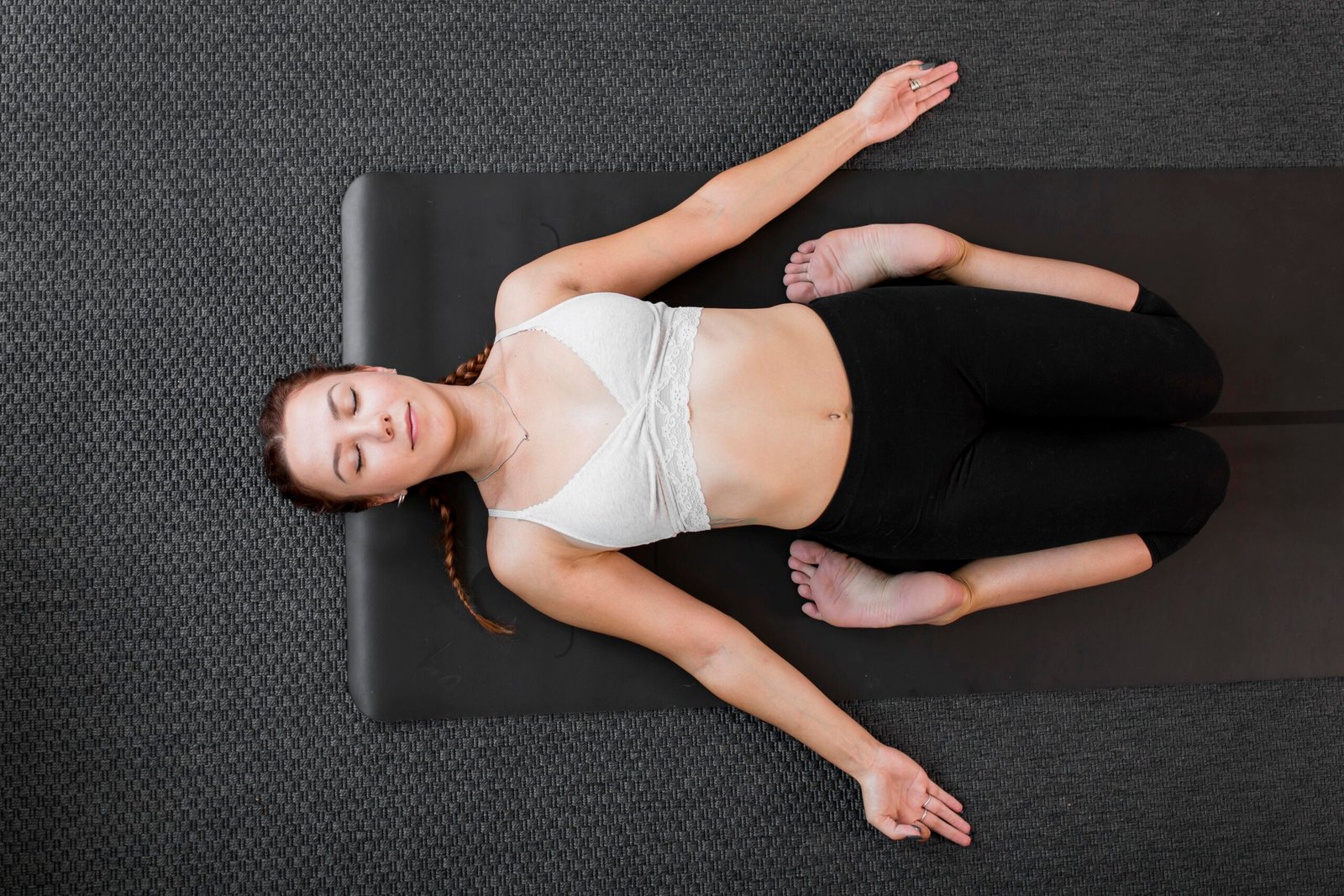
The prone position—lying flat on the stomach with the face down—is a practice widely recognized in medical, therapeutic, and fitness contexts. Though it might seem simple, the prone position has significant effects on respiratory function, muscle engagement, and overall body mechanics. In recent years, it has gained attention not only in clinical settings, such as intensive care units for patients with respiratory distress, but also in physical therapy and exercise routines for posture correction and core strengthening. Understanding the correct use, benefits, and precautions associated with the prone position is essential for both healthcare providers and individuals seeking to improve physical health or recover from medical conditions.
What Is the Prone Position?
The prone position refers to lying face down with the body supported by the chest and abdomen. Unlike the supine position, where the individual lies on their back, the prone position requires conscious alignment of the head, neck, and spine to prevent strain. While it may seem like a passive posture, maintaining proper alignment engages stabilizing muscles in the back and shoulders, making it a subtle yet effective method for promoting muscle activation and spinal health. In clinical contexts, this position is often used for patients who require improved oxygenation, as lying prone can optimize lung expansion and facilitate better airflow.
Medical Benefits of the Prone Position
The prone position is particularly valuable in medical settings. One of its most significant benefits is enhanced respiratory function, especially in patients suffering from conditions like acute respiratory distress syndrome (ARDS) or severe pneumonia. By lying on the stomach, the diaphragm can move more freely, allowing the lungs to expand efficiently and improving oxygenation throughout the body. Studies have also shown that prone positioning can reduce ventilator-associated lung injuries in critical care patients by evenly distributing pressure across the chest and back. Additionally, it can help prevent complications associated with prolonged bed rest, such as pressure sores and muscle stiffness, when used appropriately under medical supervision.
Physical Therapy and Rehabilitation Applications
Beyond intensive care, the prone position is frequently used in physical therapy to strengthen muscles, improve posture, and reduce back pain. For example, prone exercises like the prone plank or “superman” lifts target the lower back, glutes, and core muscles, supporting spinal alignment and stability. Patients recovering from certain injuries may also perform prone stretches to relieve tension in the thoracic and lumbar regions. The position can help retrain proper movement patterns and reduce compensatory habits that often contribute to chronic pain. Therapists often customize prone exercises to the individual’s needs, ensuring safety and effectiveness.
Prone Position in Exercise and Fitness
In addition to therapeutic uses, the prone position is integral to fitness routines. Exercises performed in this position—such as back extensions, prone leg lifts, and plank variations—promote core strength, improve posture, and increase endurance. Maintaining the body in prone positions during workouts encourages the engagement of stabilizing muscles that are often neglected in upright or seated exercises. Moreover, prone exercises can complement other forms of strength training by targeting posterior chain muscles, which are crucial for athletic performance, functional movement, and injury prevention.
Precautions and Safety Tips
While the prone position offers multiple benefits, improper use can lead to discomfort or injury. Prolonged lying on the stomach without proper support may strain the neck, shoulders, and lower back. For patients in hospitals, medical teams often use pillows or positioning devices to relieve pressure on sensitive areas. Individuals practicing prone exercises should maintain correct form, avoid overextending the spine, and progress gradually in duration and intensity. Consulting with a healthcare professional or certified therapist is recommended when introducing prone positioning in medical or rehabilitative contexts.
Conclusion
The prone position is far more than a simple lying posture; it is a versatile and beneficial position used in medicine, therapy, and fitness. By promoting better respiratory function, improving spinal alignment, and strengthening core muscles, the prone position has become a cornerstone in both clinical care and physical conditioning. Understanding how to use this position safely and effectively allows individuals and healthcare providers to maximize its benefits while minimizing potential risks. Whether for recovery, rehabilitation, or exercise, the prone position remains a powerful tool for enhancing overall health and wellness.
Frequently Asked Questions (FAQs)
1. How long should someone stay in the prone position?
For medical patients, the duration is determined by healthcare providers, often ranging from a few hours per session to longer intervals depending on oxygenation needs. For exercise or rehabilitation, sessions typically last from a few minutes to 20–30 minutes, depending on the activity and individual tolerance.
2. Can prone position help with back pain?
Yes. When used in combination with specific exercises, prone positioning can strengthen back and core muscles, relieve tension in the spine, and promote better posture, which may alleviate chronic back pain over time.
3. Is it safe for everyone to use the prone position?
While generally safe, people with certain conditions, such as severe obesity, pregnancy, or spinal injuries, should consult a healthcare professional before prolonged prone positioning. Proper alignment and support are essential to prevent strain or injury.
4. How does the prone position improve breathing?
Lying on the stomach helps expand the dorsal regions of the lungs and allows the diaphragm to move more efficiently, increasing oxygenation and improving airflow, particularly in patients with respiratory distress.
5. What are common exercises performed in the prone position?
Common exercises include prone planks, back extensions, superman lifts, and leg lifts. These movements target the posterior chain muscles, core, and lower back while enhancing posture and stability.
