
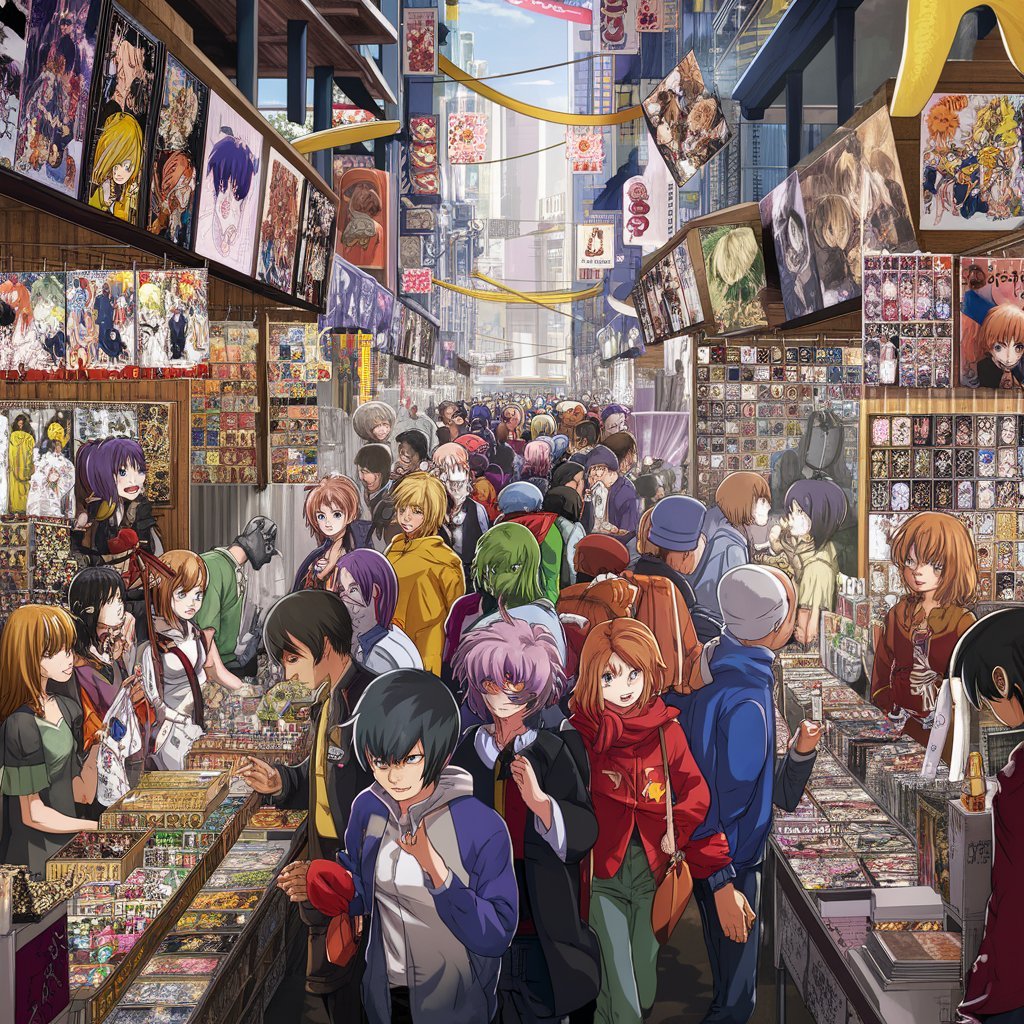
Doujins, also known as doujinshi, are self-published works that have become a cornerstone of Japanese pop culture and fandoms worldwide. They can encompass manga, novels, games, and even music, often created by amateur artists or writers who are passionate about their craft. Unlike mainstream media, doujins offer a unique glimpse into the creativity and innovation that thrives outside commercial boundaries. They often allow fans to explore alternate storylines, crossovers, or even adult themes that traditional publishing companies might shy away from. As a result, doujins hold a special place in the hearts of anime, manga, and gaming communities, serving as both a creative outlet for artists and a source of highly specialized content for enthusiasts. This article delves into the world of doujins, their history, culture, and the impact they have on both creators and consumers.
What Are Doujins?
Doujins are primarily fan-made creations that are self-published and distributed, often at conventions, online platforms, or through small print runs. The term “doujin” translates to “same person” or “people with shared interests,” emphasizing the community-driven aspect of this culture. While many doujins are manga-style comics, the term can also apply to novels, art books, music, and games. The flexibility of format is one of the most distinctive aspects of doujins—they allow creators to experiment with storytelling, art styles, and genres without the restrictions imposed by traditional publishing houses. This freedom fosters innovation and enables a wide range of creative expression, from reimagining popular characters in alternative scenarios to entirely original stories that never appear in mainstream media.
The History of Doujins
The origins of doujins can be traced back to the early 20th century in Japan, but they became particularly prominent in the 1970s and 1980s with the rise of manga fandom. Amateur artists began producing self-published comics as a way to share their work with like-minded individuals. Doujin culture expanded significantly with the introduction of conventions like Comiket (Comic Market) in Tokyo, which became a hub for creators to sell and trade their works. Over time, the doujin community evolved into a sophisticated ecosystem that blends amateur and professional talent. Some successful doujin creators have even transitioned into mainstream manga or game development, showcasing how this grassroots culture can influence the wider entertainment industry.
Types of Doujins
Doujins are incredibly diverse and can be categorized in multiple ways. The most common type is the fan doujin, which reinterprets existing works, such as popular manga, anime, or video games. These may include alternate endings, character crossovers, or stories set in non-canon universes. Another category is original doujin, which features entirely new characters and narratives. There are also adult doujins, which explore mature themes not typically found in commercial works. Additionally, doujins may take the form of music albums, indie games, or even collaborative projects among multiple artists. This variety ensures that there is a doujin for nearly every interest, allowing creators to find their niche and readers to discover highly specialized content that resonates with them.
The Role of Conventions in Doujin Culture
Conventions such as Comiket in Japan are essential to the doujin scene. These events are not just marketplaces but social hubs where creators and fans interact directly. Conventions offer opportunities for artists to showcase their work, receive feedback, and build a following. Many doujin creators rely on these events to gauge interest in their work, sell limited editions, and connect with other members of the community. The convention culture emphasizes the communal aspect of doujins and allows for the rapid spread of trends, fan theories, and new creative ideas. In many ways, these gatherings serve as the lifeblood of the doujin ecosystem, keeping the culture vibrant, collaborative, and ever-evolving.
The Impact of Doujins on Fandoms
Doujins play a significant role in shaping fandoms by giving fans a platform to express their interpretations of beloved characters and worlds. They encourage creativity, discussion, and engagement within fan communities. For example, a doujin exploring a non-canonical relationship between characters might spark debates, inspire fan art, or even influence the way official creators approach storytelling. Beyond entertainment, doujins also serve as a training ground for aspiring writers and artists, providing real-world experience in narrative development, illustration, and self-promotion. The influence of doujins extends beyond the fan community, often affecting mainstream media trends and even inspiring commercial adaptations.
Digital Doujins and Online Communities
With the rise of digital platforms, doujins are more accessible than ever. Websites, forums, and social media channels allow creators to publish and distribute their work globally, bypassing the limitations of physical print. Digital doujins can reach international audiences, build larger followings, and even generate revenue through crowdfunding platforms. This shift has also led to the emergence of online doujin communities where fans share tips, tutorials, and collaborative projects, further democratizing the creative process. Digital accessibility ensures that doujin culture continues to thrive, adapting to technological advancements while maintaining the spirit of independent creation.
Conclusion
Doujins represent a dynamic and essential part of Japanese pop culture, offering a space for artistic expression that is unrestricted by commercial pressures. They provide fans with unique content, allow creators to experiment freely, and strengthen community bonds within fandoms. From traditional self-published manga to digital fan creations, doujins highlight the creativity, passion, and innovation that arise when individuals share their interests and talents. As the culture continues to evolve, doujins will remain a vital bridge between amateur enthusiasm and professional storytelling, proving that fan-driven creativity is not just a hobby—it’s an influential force in the world of media.
Frequently Asked Questions (FAQs)
1. What is the difference between a doujin and a manga?
A doujin is self-published and often fan-created, whereas manga is typically commercially published with editorial oversight. Doujins allow for more creative freedom and niche content.
2. Can doujins be sold internationally?
Yes. With online platforms and digital distribution, doujins can reach global audiences, though copyright laws must be considered for fan-made content.
3. Are all doujins related to adult content?
No. While some doujins explore mature themes, many focus on general storytelling, fan interpretations, or original narratives suitable for all ages.
4. How can I start creating my own doujin?
Begin by developing a concept or characters, create illustrations or text, and consider participating in conventions or online platforms to share your work. Collaboration with other artists is also common.
5. Why are doujins important in fandom culture?
Doujins give fans a voice, foster creativity, and build community engagement. They allow exploration of alternative narratives and can influence mainstream media trends.
