
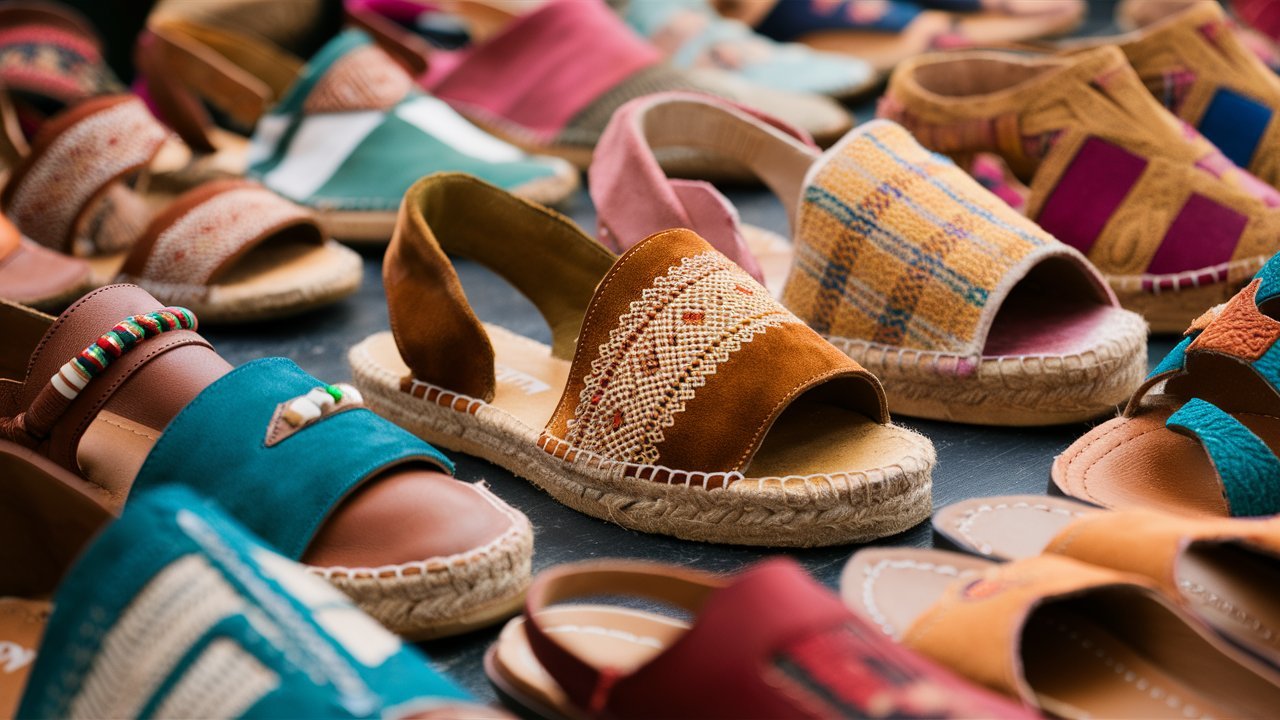
The word espadrilhe instantly evokes images of relaxed summer days, Mediterranean coastlines, breathable fabrics, and effortless elegance. Espadrilhe footwear, often referred to in English as espadrilles, represents a unique blend of tradition, craftsmanship, and fashion-forward design. Originating centuries ago, this humble yet stylish shoe has traveled from rural villages to international runways, becoming a staple in both casual and semi-formal wardrobes. What makes espadrilhe so enduring is not just its comfort or simplicity, but the story woven into its natural fibers and handcrafted soles.
In today’s fashion world, where sustainability and comfort play a central role in purchasing decisions, espadrilhe stands out as a symbol of eco-conscious design. From classic flat styles to platform wedges and designer reinterpretations, espadrilhe continues to evolve while retaining its authentic charm. This article explores the history, materials, types, styling tips, and cultural impact of espadrilhe, offering a comprehensive guide to this iconic footwear.
History and Origin of Espadrilhe
The history of espadrilhe dates back several centuries, with its roots in the Pyrenees region between Spain and France. The name is derived from the Catalan word “espardenya,” referencing the esparto grass traditionally used to create the rope soles. Farmers and workers originally wore espadrilhe because they were lightweight, breathable, and affordable. These shoes were practical for hot climates and rough terrains, offering durability without sacrificing comfort.
Over time, espadrilhe transitioned from rural workwear to fashionable footwear. In the 20th century, designers began reimagining the classic silhouette, introducing new fabrics, patterns, and heel variations. Luxury brands embraced the design, elevating espadrilhe into high fashion. Despite these modern adaptations, the essence of the shoe remains rooted in its handcrafted origins and natural materials, making it both historically significant and stylistically relevant today.
Materials Used in Espadrilhe
One of the defining features of espadrilhe is its natural construction. Traditionally, the sole is made from braided jute rope, a plant-based fiber known for its strength and flexibility. Jute gives espadrilhe its distinctive textured base and lightweight feel. The upper portion is often crafted from canvas or cotton, though modern versions may include leather, suede, or synthetic materials.
The use of breathable fabrics makes espadrilhe particularly suitable for warm weather. Unlike heavy footwear, these shoes allow air circulation, reducing discomfort during long hours of wear. In recent years, sustainable fashion movements have renewed interest in espadrilhe because of its eco-friendly materials. Many brands now emphasize organic cotton, recycled textiles, and ethical production processes, reinforcing espadrilhe’s reputation as a conscious style choice.
Different Types of Espadrilhe
Espadrilhe is not limited to one design. Over the years, various styles have emerged to suit different preferences and occasions.
Flat Espadrilhe
Flat espadrilhe is the most traditional style, featuring a simple slip-on design with a flat jute sole. It is perfect for casual outings, beachwear, and everyday comfort.
Wedge Espadrilhe
Wedge espadrilhe combines elegance with comfort. The raised heel is typically wrapped in jute, maintaining the classic aesthetic while adding height and sophistication. This style is popular for summer parties and semi-formal events.
Platform Espadrilhe
Platform espadrilhe offers a bold, modern twist. With a thicker sole, it provides additional height without compromising stability, making it ideal for fashion-forward individuals.
Lace-Up Espadrilhe
Lace-up espadrilhe features ankle ties or ribbons that wrap around the leg, adding a romantic and feminine touch. This style pairs beautifully with dresses and skirts.
Each variation preserves the core identity of espadrilhe while catering to evolving fashion trends.
How to Style Espadrilhe
Styling espadrilhe is effortless due to its versatility. For a relaxed daytime look, pair flat espadrilhe with linen trousers or denim shorts and a lightweight blouse. The breathable fabric complements summer outfits, creating a cohesive seasonal aesthetic.
Wedge espadrilhe can elevate a simple sundress or maxi dress, making it suitable for garden parties or evening dinners. Men can style espadrilhe with tailored shorts or slim-fit chinos for a smart-casual appearance. The key is to embrace the natural, laid-back vibe of the shoe rather than overcomplicating the outfit.
Because espadrilhe often features neutral tones, it blends seamlessly with vibrant patterns and bold accessories. Whether minimalist or bohemian, this footwear adapts to various fashion identities.
Why Espadrilhe Remains Popular Today
Espadrilhe’s lasting popularity can be attributed to its perfect balance between comfort and elegance. In a world increasingly focused on functional fashion, people seek shoes that look stylish without causing discomfort. Espadrilhe meets this demand through its lightweight structure and cushioned rope sole.
Additionally, its cultural heritage adds depth and authenticity. Consumers today value products with stories, and espadrilhe carries centuries of craftsmanship within its woven base. Social media and celebrity endorsements have further fueled its resurgence, positioning it as both timeless and trendy.
Another factor is sustainability. As environmental awareness grows, footwear made from renewable materials like jute and cotton gains appeal. Espadrilhe aligns naturally with these values, reinforcing its place in modern wardrobes.
Caring for Your Espadrilhe
Proper care extends the life of espadrilhe. Because the sole is made from jute, it is important to avoid excessive moisture. Prolonged exposure to water can weaken the fibers and distort the shape. If cleaning is necessary, gently spot-clean the fabric upper with mild soap and allow the shoes to air dry completely.
Storage also matters. Keep espadrilhe in a cool, dry place to prevent mold or fiber damage. Using shoe inserts can help maintain their shape. With the right care, a pair of espadrilhe can last multiple seasons while retaining its charm and comfort.
Conclusion: The Enduring Appeal of Espadrilhe
Espadrilhe is more than just footwear; it is a testament to the beauty of simplicity and tradition. From its humble beginnings in Mediterranean villages to its presence in global fashion markets, espadrilhe has proven its ability to adapt without losing its identity. Its breathable materials, handcrafted soles, and versatile designs make it a favorite for summer wardrobes and beyond.
As fashion continues to embrace sustainability and comfort, espadrilhe stands poised to remain relevant for generations to come. Whether you choose a classic flat design or a modern wedge variation, espadrilhe offers a timeless blend of practicality and elegance that few other shoes can match.
Frequently Asked Questions (FAQs)
What is espadrilhe made of?
Espadrilhe is traditionally made with a braided jute rope sole and a canvas or cotton upper. Modern designs may also use leather or suede.
Is espadrilhe suitable for formal occasions?
Yes, wedge or platform espadrilhe can be styled for semi-formal events, especially during summer.
Can espadrilhe get wet?
It is best to avoid excessive water exposure because moisture can damage the jute sole.
Are espadrilhe comfortable for daily wear?
Yes, espadrilhe is known for its lightweight and breathable design, making it comfortable for everyday use.
Is espadrilhe considered sustainable footwear?
Due to its use of natural materials like jute and cotton, espadrilhe is often viewed as an eco-friendly and sustainable option.
