
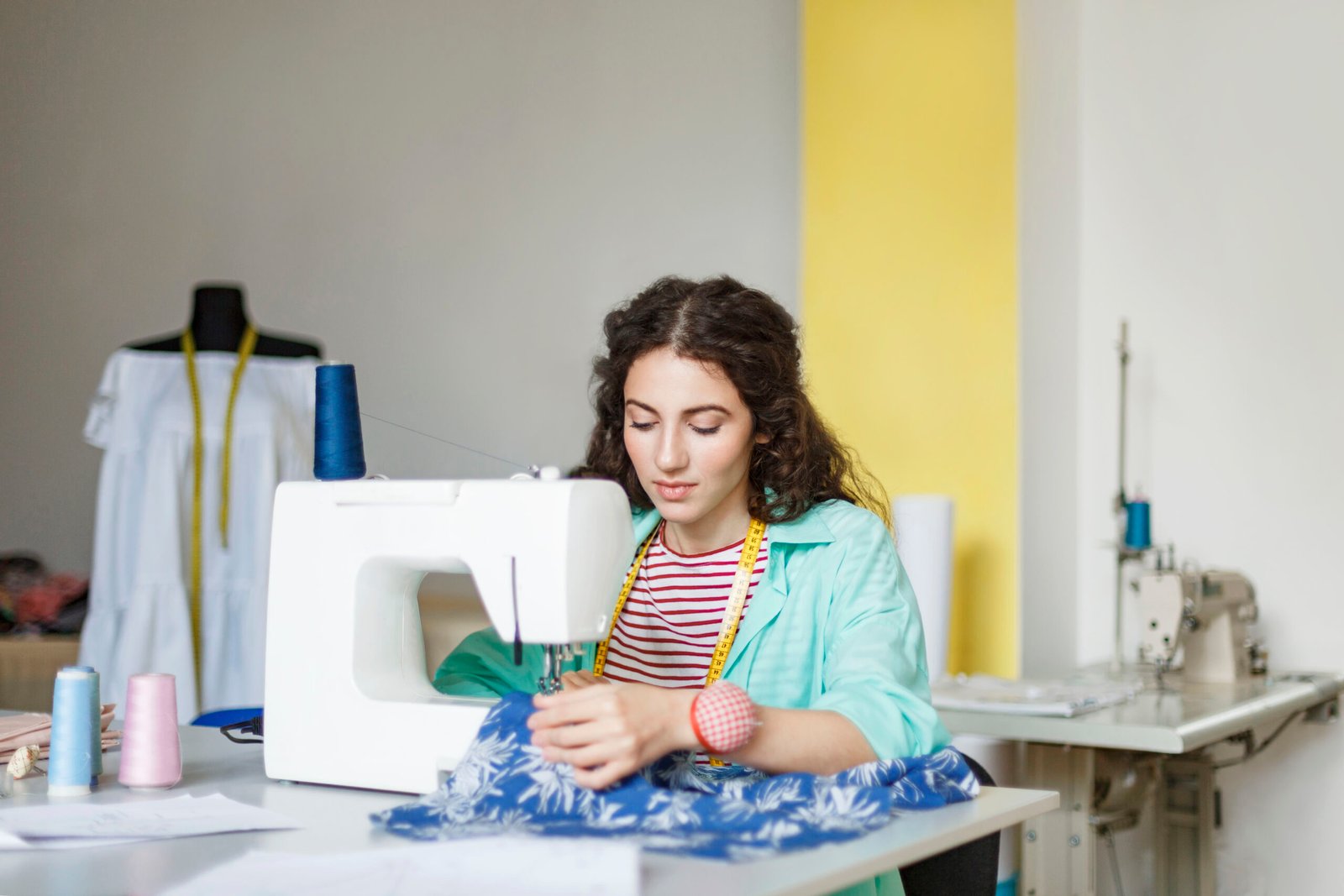
Nahttypen, the German term for seam types, represent one of the most fundamental concepts in sewing, garment construction, upholstery, and textile engineering. Whether you are a professional tailor, a fashion design student, an industrial manufacturer, or a home sewing enthusiast, understanding different Nahttypen is essential for creating durable, attractive, and functional products. Seams are not merely ways to join pieces of fabric together; they determine how a garment fits, how long it lasts, how it feels on the body, and how it performs under stress. From delicate silk blouses to heavy-duty denim jeans and industrial safety gear, the correct seam type can dramatically influence quality and performance. In this comprehensive article, we will explore the most important Nahttypen, their characteristics, applications, advantages, and how to choose the right one for your project.
What Are Nahttypen and Why Are They Important?
Nahttypen refer to the various structural methods used to join two or more pieces of fabric together. Each seam type is designed with a specific purpose in mind, whether that purpose is strength, flexibility, waterproofing, decoration, or comfort. The importance of Nahttypen lies in their functional and aesthetic contributions to finished products. A poorly chosen seam may cause fabric fraying, discomfort, or structural failure, while a properly selected seam enhances durability and appearance. In industrial settings, seam types are carefully standardized to ensure consistent performance across large production runs. In fashion design, seam selection can influence the silhouette, drape, and style of a garment. Therefore, mastering Nahttypen is not just about technique; it is about understanding fabric behavior, stress distribution, and design intention.
Die Einfache Naht (Plain Seam)
Die Einfache Naht, also known as the plain seam, is the most basic and commonly used seam type in sewing. This seam is created by placing two pieces of fabric right sides together and stitching along the edge with a straight stitch. After sewing, the seam allowances are usually pressed open or to one side to reduce bulk and improve comfort. The simplicity of this seam makes it highly versatile and suitable for nearly all types of garments, from shirts and skirts to trousers and dresses. Although it is easy to construct, the plain seam may require finishing techniques such as zigzag stitching, overlocking, or binding to prevent fraying, especially when working with woven fabrics. Despite its simplicity, the plain seam forms the foundation upon which many other complex Nahttypen are built.
Die Französische Naht (French Seam)
Die Französische Naht, or French seam, is a refined seam type designed to encase raw fabric edges within the seam itself. This method involves stitching the fabric wrong sides together first, trimming the seam allowance, turning the fabric so right sides face each other, and stitching again. The result is a clean, enclosed seam that is both elegant and durable. French seams are particularly popular in lightweight and delicate fabrics such as chiffon, silk, and organza, where exposed edges would look untidy or cause irritation. This Nahttyp is frequently used in high-end fashion and bridal wear because it offers a professional finish without the need for additional seam finishing. While it requires more time and precision than a plain seam, the polished result justifies the effort in garments that demand finesse and quality.
Die Kappnaht (Flat-Felled Seam)
Die Kappnaht, also known as the flat-felled seam, is a strong and durable seam commonly used in sportswear, workwear, and denim garments. This seam type encloses the raw edges by folding one seam allowance over the other and stitching it flat against the fabric. The double line of stitching not only reinforces the seam but also adds a distinctive decorative element. You will often find flat-felled seams in jeans, shirts, and uniforms where durability is essential. This Nahttyp is highly resistant to stress and frequent washing, making it ideal for heavy-use clothing. Additionally, because all raw edges are enclosed, the seam feels smooth against the skin, improving comfort and reducing the risk of fraying over time.
Die Overlock-Naht (Overlocked Seam)
Die Overlock-Naht is created using an overlock or serger machine that trims the fabric edge and wraps it with thread simultaneously. This seam type is widely used in modern garment manufacturing due to its efficiency and flexibility. The overlocked seam prevents fraying and allows for stretch, making it especially suitable for knit fabrics and activewear. Unlike traditional seams that may require separate finishing, the overlock seam completes both joining and finishing in one step. This Nahttyp is common in T-shirts, leggings, and sports garments, where elasticity and comfort are critical. Its ability to maintain fabric stretch without breaking stitches makes it a cornerstone of contemporary apparel production.
Die Sicherheitsnaht (Safety Seam)
Die Sicherheitsnaht, or safety seam, combines multiple stitching methods to create a highly secure and reinforced seam. Often used in industrial textiles, uniforms, and protective clothing, this seam type ensures that even if one row of stitches fails, another row maintains structural integrity. The safety seam is particularly important in applications where durability and safety are paramount, such as outdoor gear, heavy-duty workwear, and certain technical garments. This Nahttyp reflects the intersection of textile engineering and practical design, emphasizing long-term performance over purely aesthetic considerations.
Decorative Nahttypen in Fashion Design
Beyond structural seams, decorative Nahttypen play a significant role in fashion and creative textile work. These include topstitched seams, piped seams, and bound seams that add visual interest and enhance garment design. Decorative seams may emphasize lines, create contrast through thread color, or shape the garment’s silhouette. In haute couture and ready-to-wear fashion alike, seam placement can define style identity and brand aesthetics. Designers often experiment with visible stitching patterns or contrasting seam finishes to transform functional elements into artistic statements. Therefore, Nahttypen are not merely technical solutions but also tools of creative expression.
Choosing the Right Nahttypen for Your Project
Selecting the appropriate seam type depends on several factors, including fabric weight, stretch properties, garment purpose, expected wear, and aesthetic goals. Lightweight fabrics benefit from enclosed seams like French seams, while heavy-duty garments require flat-felled or safety seams. Knit fabrics demand stretch-compatible seams such as overlock seams to prevent thread breakage. Understanding how each Nahttyp interacts with fabric structure ensures that the finished product performs as intended. Careful seam selection enhances durability, comfort, and professional appearance, ultimately elevating the quality of the entire project.
Conclusion: Mastering Nahttypen for Professional Results
Nahttypen form the backbone of garment construction and textile craftsmanship. From the simplicity of the plain seam to the durability of the flat-felled seam and the elegance of the French seam, each seam type serves a distinct purpose. Mastering these seam variations allows designers and sewing professionals to create garments that are not only beautiful but also strong and comfortable. Whether you are crafting everyday clothing or specialized technical apparel, understanding Nahttypen empowers you to make informed design decisions that enhance quality and longevity. By investing time in learning and practicing different seam techniques, you elevate your sewing skills and ensure that every project meets the highest standards of workmanship.
Frequently Asked Questions (FAQ) About Nahttypen
1. What are the most common Nahttypen used in clothing?
The most common seam types include the plain seam, French seam, flat-felled seam, and overlock seam. Each serves a different purpose depending on fabric and garment type.
2. Which Nahttyp is best for delicate fabrics?
The French seam is ideal for delicate fabrics because it encloses raw edges and creates a clean, refined finish.
3. Why is the flat-felled seam used in jeans?
The flat-felled seam provides exceptional strength and durability, making it perfect for heavy-use garments like jeans.
4. Are overlock seams suitable for stretch fabrics?
Yes, overlock seams are excellent for knit and stretch fabrics because they allow elasticity while preventing fraying.
5. How do I choose the right Nahttyp for my sewing project?
Consider the fabric type, garment function, required durability, and desired aesthetic. Matching these factors with the appropriate seam type ensures optimal results.
