
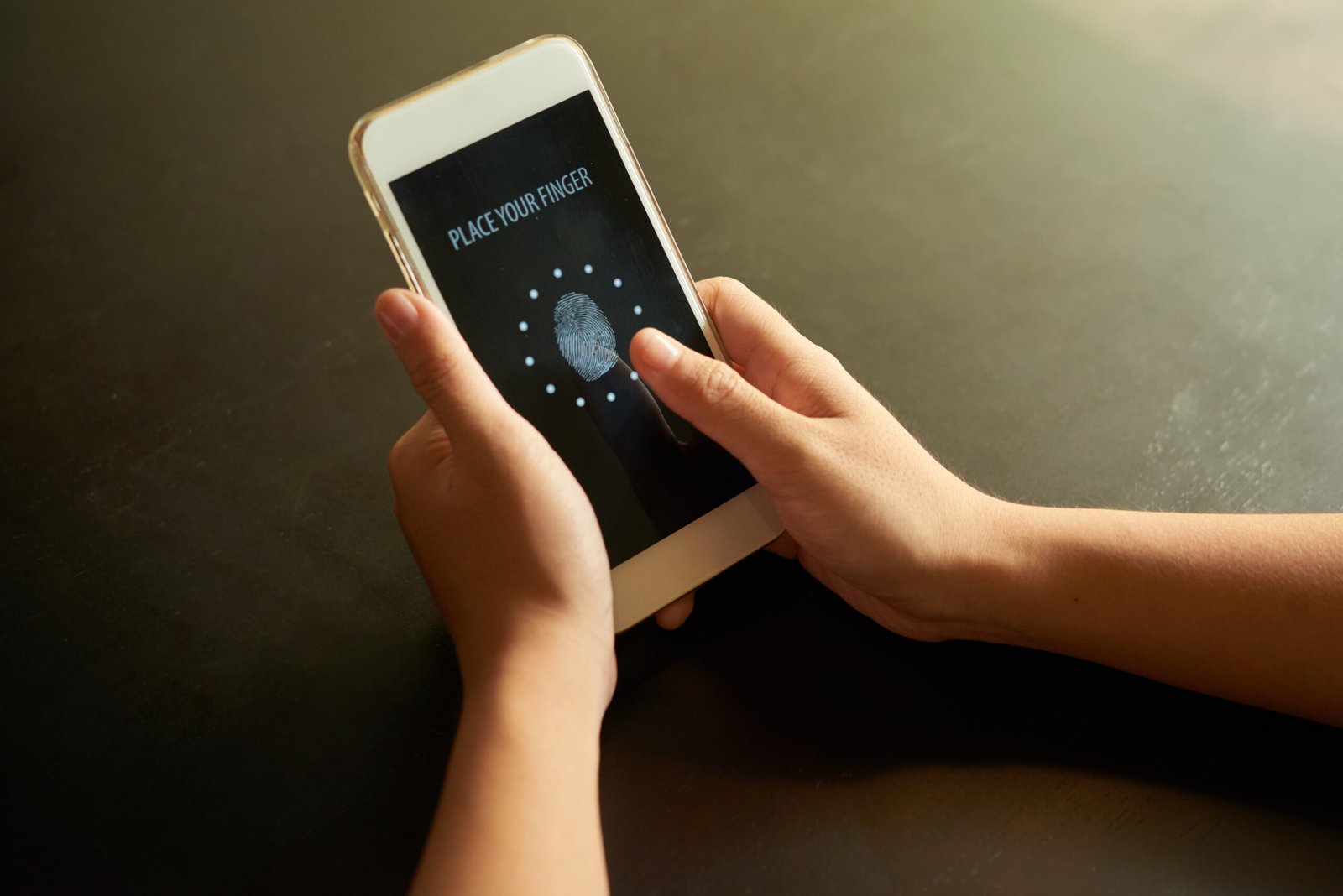
In today’s fast-paced digital world, smartphones have become an essential part of our daily lives, storing sensitive personal and professional information. With the increasing prevalence of phone theft, fraud, and counterfeit devices, it is crucial to ensure the authenticity and security of your mobile device. One of the most reliable methods to achieve this is through an IMEI check. The International Mobile Equipment Identity (IMEI) is a unique 15-digit code assigned to every mobile device, acting like a fingerprint for your phone. By performing an IMEI check, users can verify their device’s legitimacy, ensure it hasn’t been blacklisted or reported stolen, and even track warranty and network compatibility. This article will provide a detailed overview of IMEI checks, their importance, methods to perform them, and answer some frequently asked questions to help you navigate this process effectively.
What is an IMEI Number?
The IMEI number is a unique identifier assigned to each mobile device, much like a social security number for humans. It is used by mobile networks to distinguish each phone from another and plays a critical role in tracking lost or stolen devices. This number contains essential information about the device, such as its model, origin, and specifications. Unlike SIM card numbers, which can be changed or transferred between devices, the IMEI number is permanent and cannot be altered without specialized tools. Understanding your IMEI number is the first step toward protecting your device and ensuring its authenticity, as counterfeit phones often have duplicate or invalid IMEI codes.
Why an IMEI Check is Important
Performing an IMEI check has become a necessity for anyone buying, selling, or using a smartphone. Firstly, it helps detect stolen or lost phones. Mobile carriers maintain a global database of blacklisted IMEIs, which ensures that stolen phones cannot access cellular networks. Secondly, it confirms the device’s authenticity and manufacturer details. With the growing market of fake smartphones, an IMEI check helps buyers avoid scams and purchase devices that are genuine and fully functional. Additionally, an IMEI check can provide information about network compatibility, warranty status, and previous ownership history. Whether you are buying a second-hand phone or simply verifying your current device, an IMEI check safeguards you against fraud and potential financial loss.
How to Perform an IMEI Check
Performing an IMEI check is straightforward and can be done in multiple ways. The most common method is to dial *#06# on your phone, which will display the IMEI number on your screen. You can then use this number on official carrier websites, IMEI checking platforms, or manufacturer portals to verify your device. Some online tools provide detailed reports about the phone’s history, including whether it has been reported lost, blacklisted, or still under warranty. Additionally, many carriers offer mobile apps or customer support services to assist with IMEI verification. While free online tools are convenient, it is important to use trusted and reputable services to avoid sharing your device information with unauthorized sources.
Benefits of Performing an IMEI Check
The advantages of performing an IMEI check are manifold. It helps prevent smartphone fraud, ensures your device is network compatible, and provides peace of mind regarding the authenticity and legality of your phone. For buyers, it is a valuable tool to ensure that second-hand devices are safe to purchase. For sellers, it demonstrates transparency and builds trust with potential buyers. Furthermore, IMEI checks can assist law enforcement agencies in tracking stolen devices and recovering lost property. For tech enthusiasts and businesses managing multiple devices, regular IMEI verification is an effective way to maintain accurate device inventories and prevent unauthorized usage.
Risks of Ignoring an IMEI Check
Ignoring the need for an IMEI check can expose users to significant risks. Buying a phone without verification could result in purchasing a stolen or counterfeit device, which may be blocked from network access, making it useless. Additionally, such devices may come with hidden faults, limited warranty coverage, or fraudulent ownership histories. For businesses, failure to verify IMEIs can compromise security, especially if devices are used for sensitive operations or contain confidential data. Therefore, skipping this step not only affects individual users but also has legal and financial implications.
Frequently Asked Questions (FAQ)
Q1: How can I find my IMEI number?
A: You can find your IMEI number by dialing *#06# on your phone. It is also printed on the device packaging, SIM tray, or under the battery in removable battery models.
Q2: Is an IMEI check free?
A: Many online platforms offer free IMEI checks with basic information. For detailed reports, some official services or carrier portals may charge a small fee.
Q3: Can the IMEI number be changed?
A: Legally, the IMEI number is permanent and cannot be altered. Tampering with it is illegal and can result in criminal penalties.
Q4: Why is my phone blacklisted after an IMEI check?
A: A phone may be blacklisted if it has been reported stolen, lost, or involved in fraudulent activity. Blacklisted phones are blocked from accessing mobile networks.
Q5: Can IMEI checks prevent fraud when buying second-hand phones?
A: Yes. Verifying the IMEI ensures the phone is genuine, not blacklisted, and matches the seller’s description, reducing the risk of scams.
Conclusion
In an era where smartphones are central to our lives, conducting an IMEI check is an essential step for anyone buying, selling, or using mobile devices. It provides security, confirms authenticity, and protects users from fraud and theft. Whether you are a tech-savvy individual or someone exploring the second-hand market, knowing how to perform an IMEI check and understanding its benefits can save you from financial loss and security issues. By regularly checking your IMEI, you not only safeguard your own devices but also contribute to a safer, more reliable mobile ecosystem.
