
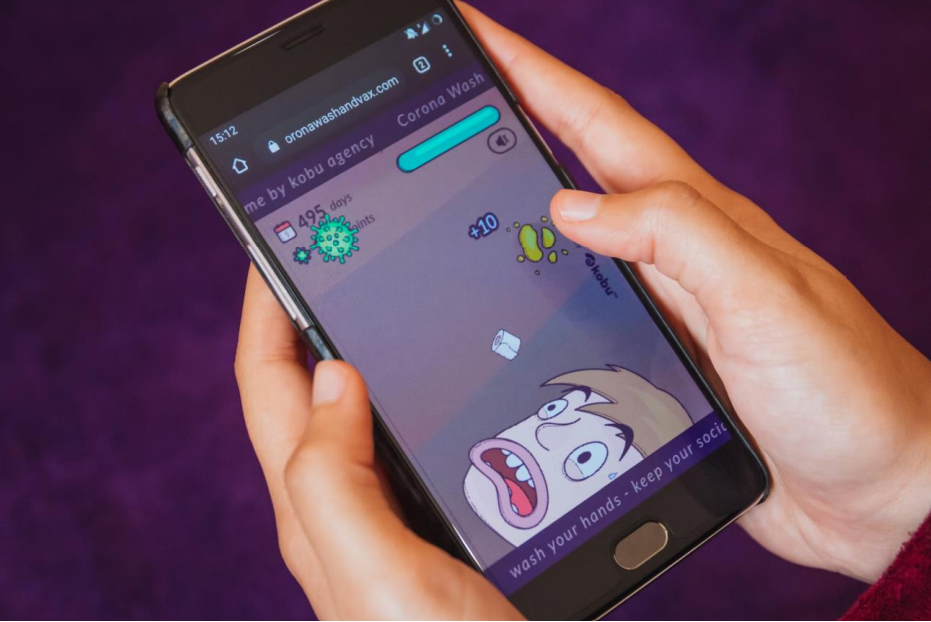
Digital play has changed shape. It’s no longer limited to controllers, consoles, or even traditional
games. Today, play happens in quick swipes or taps on a phone, on beautifully designed
entertainment platforms, and in interactive spaces that feel more like immersive experiences
than software.
User interface design sits at the center of that shift. The UI isn’t just the frame around the fun. It
quietly directs attention, sets emotional tone, and decides whether something feels smooth,
immersive, or frustrating.
In 2026, digital play is less about what’s on the screen and more about how the screen
responds. Great interfaces don’t just support play. They shape it.
The Interface Sets the Tone Before Play Even Begins
Play starts before the first interaction. Color palettes, typography, spacing, and motion cues
all signal what kind of experience you’re stepping into. These cues shape expectations within
seconds and subtly influence how a user prepares to engage.
A neon-heavy interface feels energetic, almost like walking into an arcade. A minimalist layout
with soft shadows feels calmer, more curated, and more intentional. Even the smallest design
decisions shift the mood.
Good UI design works like music in a blockbuster film. You may not consciously notice it, but
it changes how everything feels. A well-crafted interface guides emotion in the same quiet
way, making an experience feel more intuitive, exciting, or comforting without demanding
absolute focus.
Digital entertainment platforms understand this instinctively. They build interfaces that create
anticipation, comfort, excitement, or nostalgia before a user ever taps “start.” The experience
begins with the atmosphere the design creates.
Immersion Emerges From Design That Disappears
The most powerful interfaces often feel invisible. They don’t compete with the experience or
clutter the screen with unnecessary controls. Instead, they guide attention naturally, allowing
users to focus on the action rather than the mechanics behind it.
Modern UI design removes friction wherever possible. Overlays shrink, menus simplify, and
hierarchies sharpen. In an online casino, for instance, clean table layouts and intuitive chip
controls replace crowded dashboards, keeping players oriented without reminding them they’re
navigating software.
First-person design deepens immersion by shifting perspective. Instead of a detached, topdown view, users engage as if seated at the table, seeing the felt layout up close, placing bets
directly, and following the dice from a player’s vantage point.
Online casino titles such as First Person Craps embody this shift, using clear betting zones,
responsive chip placement, and a focused table view that feels closer to a live casino setting.
That’s immersion today: design that keeps players engaged with the roll, not the interface.
Momentum Builds Through Feedback and Flow
Digital play thrives on rhythm. Without steady pacing, even the most compelling content can feel
disjointed. The best interfaces understand that engagement isn’t only about what’s on screen,
but how smoothly the experience moves from moment to moment.
A well-designed UI builds momentum through effortless feedback. Immediate responses
reduce hesitation and keep users confidently moving forward. Buttons respond instantly,
subtle animations confirm actions, and progress cues signal that something is unfolding.
These details may seem minor, yet they shape the emotional tempo of interaction. They
reinforce a sense of control and responsiveness with every tap or swipe. Navigation starts to
feel satisfying rather than purely functional.
Gamified design extends that flow through streaks, achievement moments, and visual rewards
that create continuity. Modern digital play often lives in these in-between moments, where
design turns simple interaction into something genuinely enjoyable.
Movement Becomes the Mechanic
Digital play today is physical in a different way. Fingers swipe, scroll, drag, flick. That constant
motion makes interaction feel more like participation than simple navigation. Interaction has
become motion-driven.
Gesture-first design has reshaped how people explore entertainment. Swiping feels faster
than searching. Scrolling feels more fluid than clicking through pages. Direct manipulation feels
intuitive, almost instinctive.
Many platforms now treat movement as part of the experience itself. Scrolling isn’t just a way to
reach content. It becomes the way content is revealed. Elements shift, respond, and unfold as
the user moves.
Even reading has changed. Techniques like scrollytelling (interactive web storytelling where
content unfolds as users scroll) make browsing feel more participatory, guiding users through a
narrative rhythm instead of presenting everything at once. The effect is subtle but powerful:
navigation itself becomes part of the play.
Personalization Turns the Platform Into a Partner
Digital play has become deeply personal. Interfaces no longer treat users as anonymous
visitors. They respond like companions. This shift makes entertainment feel tailored, not onesize-fits-all.
Personalization used to mean basic recommendations. Now it shapes the entire environment.
Modern UI adapts in real time, learning what feels natural to each user and adjusting
accordingly.
That responsiveness shows up in many ways:
● Content layouts shifting based on engagement habits,
● Visual themes that match different moods or times of day,
● Shortcuts appear when the system anticipates what comes next,
● Interfaces feeling curated rather than cluttered.
Streaming platforms show this clearly, displaying different thumbnails for the same title based
on user preferences. The interface feels less like a static menu and more like a tailored
doorway, shaping itself around the individual rather than simply hosting interaction.
Seamlessness Sustains the Experience
Play breaks when friction appears. Slow load times, confusing menus, or interruptions between
devices don’t just annoy users; they disrupt immersion. Even small delays can pull users out of
the moment.
Modern UI design prioritizes continuity so that digital play feels uninterrupted, irrespective of
whether someone is engaging for two minutes or two hours. Responsiveness now means
maintaining flow, not simply fitting a screen.
Fast transitions feel fluid, a clear hierarchy reduces decision fatigue, and consistency builds
trust. Speed becomes emotional too: instant reactions feel alive, while lag makes the
experience feel out of reach. Seamlessness keeps the play experience engaging by keeping
attention unbroken.
When Design Fades, Play Takes Over
The future of digital play isn’t louder interfaces or flashier visuals. It’s in smarter design that
knows when to step back, guiding emotion and sustaining flow without overwhelming the user.
Digital play in 2026 is defined less by what people do on screens and more by how screens
respond, how interfaces invite participation, create rhythm, and make experiences feel
effortless.
When design fades into the background, play takes over, leaving only the experience itself in
focus. That’s the real power of user interface design today.
