
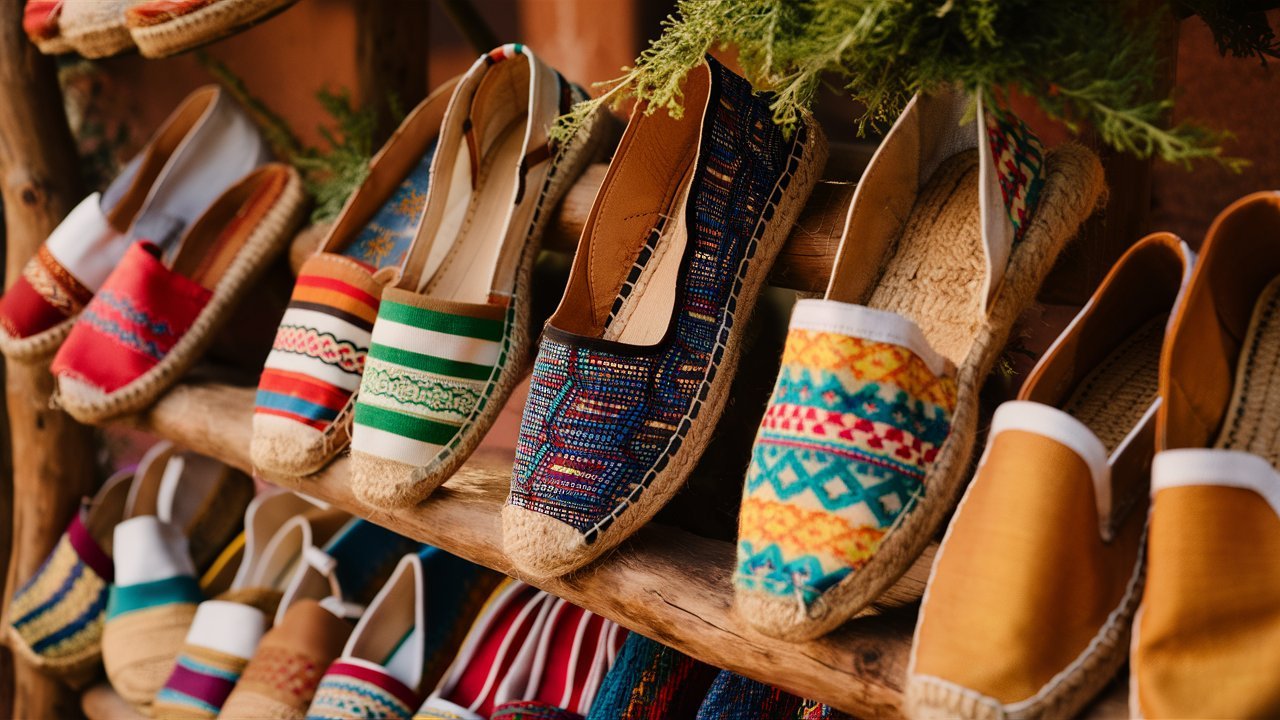
Espadrilhas are more than just seasonal footwear; they are a cultural symbol, a fashion staple, and a testament to centuries of craftsmanship. Known for their lightweight design, breathable fabric, and distinctive rope soles, espadrilhas have evolved from humble peasant shoes into globally admired fashion essentials. Originally associated with Mediterranean regions, these versatile shoes are now worn on city streets, beaches, fashion runways, and casual gatherings around the world. Their effortless charm lies in their simplicity, yet behind that simplicity is a rich history, innovative design, and remarkable adaptability that makes espadrilhas relevant in modern fashion.
The beauty of espadrilhas is that they perfectly balance tradition and trend. Whether styled with summer dresses, linen suits, jeans, or tailored shorts, they add a relaxed elegance that few other shoes can achieve. As sustainability becomes increasingly important in fashion, espadrilhas are also gaining renewed attention for their natural materials and eco-friendly appeal. In this comprehensive article, we will explore the history, styles, materials, fashion significance, and reasons why espadrilhas continue to captivate footwear lovers worldwide.
The History and Origin of Espadrilhas
The story of espadrilhas dates back several centuries to the Pyrenees region between Spain and France. The term “espadrilhas” (also known internationally as espadrilles) is derived from the word “esparto,” a type of tough Mediterranean grass traditionally used to create rope soles. These shoes were originally worn by farmers, workers, and soldiers because they were affordable, breathable, and practical for warm climates. Over time, the design became refined, and artisans began experimenting with fabrics, stitching techniques, and decorative elements.
What began as simple rural footwear gradually gained popularity beyond working communities. In the 20th century, espadrilhas were embraced by artists, intellectuals, and celebrities who appreciated their comfort and understated style. Designers later reimagined them with wedges, platforms, and luxurious fabrics, transforming them into high-fashion statements. Despite these evolutions, the core elements—fabric upper and braided jute sole—remain consistent, preserving their authentic heritage while adapting to contemporary tastes.
Different Types of Espadrilhas
Espadrilhas come in a wide variety of styles, making them suitable for different occasions and fashion preferences. Traditional flat espadrilhas are the most recognizable, featuring a simple canvas upper and flexible rope sole. They are ideal for everyday casual wear and are particularly popular during spring and summer months. Their breathable construction keeps feet cool, making them perfect for warm climates and vacations.
Wedge espadrilhas offer a more elevated look, combining comfort with sophistication. These are often chosen for semi-formal events, outdoor weddings, and summer parties because they provide height without sacrificing stability. Platform espadrilhas add a modern twist, appealing to fashion-forward individuals who want bold style with all-day comfort. There are also lace-up variations that wrap around the ankle, adding a romantic and feminine aesthetic to dresses and skirts. Each type maintains the essential character of espadrilhas while offering unique styling possibilities.
Materials Used in Espadrilhas
One of the defining characteristics of espadrilhas is their use of natural and breathable materials. The sole is typically made from braided jute, a plant fiber known for its durability and eco-friendly qualities. Jute not only provides flexibility and comfort but also reinforces the rustic charm that defines these shoes. The upper portion is traditionally crafted from canvas or cotton, though modern versions may include linen, leather, suede, or even silk for a more luxurious feel.
These materials contribute significantly to the comfort factor. Unlike synthetic shoes that trap heat and moisture, espadrilhas allow air circulation, reducing discomfort during hot weather. Furthermore, their lightweight construction makes them easy to pack for travel, enhancing their practicality. As sustainability continues to influence consumer choices, the natural components of espadrilhas make them an appealing option for environmentally conscious shoppers seeking stylish yet responsible footwear.
Why Espadrilhas Are a Summer Essential
Espadrilhas have become synonymous with summer fashion for several reasons. First, their breathable design makes them perfectly suited for warm temperatures. Second, their versatile aesthetic complements a wide range of seasonal outfits, from flowy maxi dresses to tailored shorts and lightweight suits. The neutral tones commonly found in espadrilhas—such as beige, white, navy, and earthy hues—blend effortlessly with summer color palettes.
Another reason espadrilhas are a summer essential is their adaptability. They transition seamlessly from beachside strolls to casual dinners, offering both comfort and understated elegance. Unlike heavier footwear, espadrilhas maintain a relaxed vibe that aligns with the carefree spirit of summer. Their timeless design ensures they remain fashionable year after year, making them a reliable addition to any wardrobe.
How to Style Espadrilhas
Styling espadrilhas is remarkably simple due to their versatility. For a casual daytime look, pair flat espadrilhas with denim shorts and a loose blouse. This creates a comfortable yet polished appearance suitable for shopping trips or outdoor gatherings. For a more refined outfit, wedge espadrilhas can be worn with midi dresses or tailored trousers, adding height and sophistication without compromising comfort.
Men can style espadrilhas with linen pants, chinos, or rolled-up jeans for a relaxed yet stylish ensemble. Neutral-colored espadrilhas complement both light and dark outfits, while patterned or brightly colored versions can serve as statement pieces. The key to styling espadrilhas is embracing their relaxed nature while coordinating textures and tones to create a cohesive look.
The Global Popularity of Espadrilhas
Espadrilhas have transcended their regional origins to become a global fashion phenomenon. From European coastal towns to urban fashion capitals, these shoes are celebrated for their timeless appeal. Designers and brands continue to reinvent espadrilhas each season, introducing new materials, patterns, and silhouettes that cater to evolving trends.
Their widespread popularity is also fueled by celebrity endorsements and fashion influencers who showcase espadrilhas as must-have seasonal footwear. Despite these high-fashion adaptations, the essence of espadrilhas remains rooted in craftsmanship and tradition. This blend of heritage and innovation ensures their continued relevance in the competitive footwear industry.
Conclusion: The Enduring Appeal of Espadrilhas
Espadrilhas are a perfect example of how traditional craftsmanship can seamlessly integrate into modern fashion. Their rich history, natural materials, and versatile design have allowed them to evolve without losing authenticity. Whether chosen for comfort, sustainability, or style, espadrilhas offer a timeless footwear solution that suits a variety of occasions and personal tastes.
As trends come and go, espadrilhas remain a consistent favorite, proving that simplicity and quality never go out of style. Investing in a pair means embracing centuries of tradition while enjoying contemporary comfort and elegance. Their enduring charm ensures they will continue to grace wardrobes for generations to come.
Frequently Asked Questions (FAQs)
1. What are espadrilhas made of?
Espadrilhas are typically made with a braided jute sole and a fabric upper, often crafted from canvas, cotton, linen, or leather.
2. Are espadrilhas suitable for formal occasions?
While traditional flat espadrilhas are casual, wedge and leather versions can be styled for semi-formal summer events and outdoor gatherings.
3. Can espadrilhas be worn in rainy weather?
It is generally not recommended because the jute sole can absorb moisture and lose durability when exposed to excessive water.
4. How do you care for espadrilhas?
Keep them dry, clean the fabric gently with a damp cloth, and store them in a cool, dry place to maintain their shape and quality.
5. Are espadrilhas comfortable for long walks?
Yes, espadrilhas are lightweight and breathable, making them comfortable for casual walking, especially in warm weather.
