
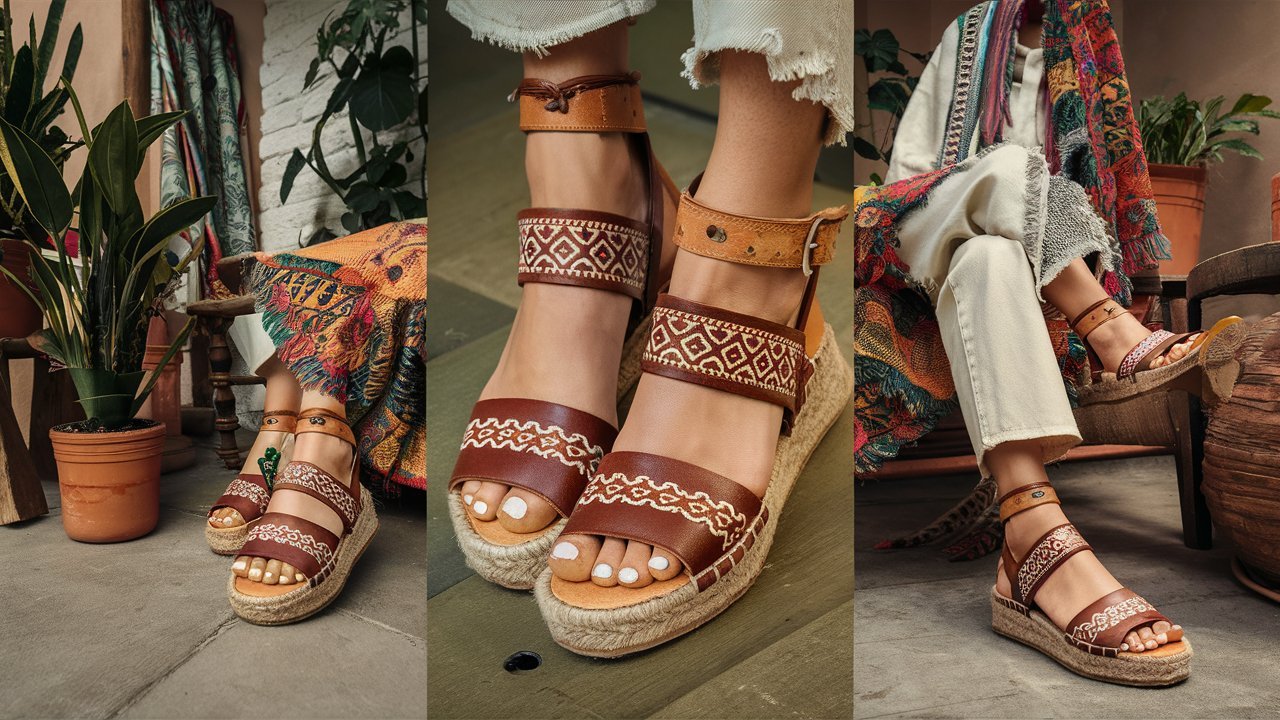
Espadrilha is more than just a type of footwear; it is a symbol of cultural heritage, summer elegance, and effortless comfort. Originating in Southern Europe, particularly in Spain and France, espadrilhas have evolved from humble peasant shoes into global fashion staples. Known for their flexible soles made of natural fibers such as jute or esparto rope, and lightweight canvas or cotton uppers, espadrilhas represent a perfect blend of tradition and contemporary style. Over the decades, designers and fashion houses have reimagined this classic shoe, transforming it into runway-worthy footwear while maintaining its authentic roots. Today, espadrilha remains a favorite choice for those who seek breathable, stylish, and versatile shoes that adapt seamlessly to both casual and semi-formal settings.
The History of Espadrilha
The history of espadrilha dates back several centuries, with evidence suggesting its use as early as the 14th century in regions of Spain and the Pyrenees. The word “espadrilha” is derived from “esparto,” a tough Mediterranean grass traditionally used to make the rope soles of these shoes. Originally worn by farmers and workers because of their affordability and comfort, espadrilhas were practical footwear suited to warm climates and rugged terrain. Over time, the design gained popularity beyond rural communities and began to capture the attention of artists and cultural icons. In the 20th century, renowned fashion designers elevated espadrilhas to luxury status, introducing refined materials, vibrant patterns, and wedge heels that appealed to modern consumers. This transformation from utilitarian shoe to high-fashion accessory reflects the adaptability and enduring charm of espadrilha.
Espadrilha Design and Materials
Espadrilha design is characterized by its distinctive rope sole and soft upper fabric, which together create a lightweight and breathable shoe ideal for warm weather. The sole is traditionally made from braided jute, a natural fiber known for its strength and flexibility. This braided construction not only provides comfort but also gives espadrilhas their iconic rustic aesthetic. The upper portion is typically crafted from cotton canvas, linen, or sometimes leather, allowing for a wide range of colors, prints, and textures. Modern espadrilhas often feature rubber reinforcements on the bottom to improve durability and traction without compromising their traditional look. Designers experiment with embroidery, lace-up ribbons, metallic finishes, and platform variations, ensuring that espadrilha remains a versatile option for different fashion preferences and occasions.
Different Types of Espadrilha
There are several types of espadrilha available today, each catering to different tastes and style needs. Flat espadrilhas are the most traditional and comfortable option, ideal for everyday wear and relaxed outings. Wedge espadrilhas add height and elegance, making them suitable for summer parties, beach weddings, and evening gatherings. Platform espadrilhas offer a bold and trendy appearance while maintaining the signature rope sole. Slip-on styles provide convenience and simplicity, while lace-up espadrilhas wrap around the ankle for a romantic and feminine touch. Men’s espadrilhas often feature minimalist designs with neutral tones, emphasizing practicality and sophistication. This variety demonstrates how espadrilha has evolved while preserving its core identity.
Why Espadrilha Is Perfect for Summer
Espadrilha is widely regarded as one of the best footwear choices for summer due to its breathable materials and lightweight structure. The natural jute sole allows air circulation, helping to keep feet cool even in hot temperatures. Unlike heavy leather shoes or synthetic sneakers, espadrilhas do not trap heat, making them comfortable for long walks along the beach or city streets. Their flexible design conforms to the foot, reducing discomfort and providing a relaxed fit. Additionally, espadrilha pairs effortlessly with summer outfits such as dresses, shorts, linen trousers, and skirts. The combination of practicality and style makes it an essential item in warm-weather wardrobes.
How to Style Espadrilha
Styling espadrilha is remarkably easy due to its versatile nature. For a casual daytime look, flat espadrilhas can be paired with denim shorts and a loose blouse, creating a laid-back yet chic appearance. Wedge espadrilhas complement maxi dresses and flowy skirts, adding height without sacrificing comfort. For men, espadrilhas can be worn with tailored shorts or lightweight chinos and a linen shirt for a polished summer outfit. The neutral tones of traditional espadrilhas make them adaptable, while bold prints or embroidered designs can serve as statement pieces. Whether attending a beach event or strolling through the city, espadrilha enhances outfits with a touch of Mediterranean charm.
The Global Popularity of Espadrilha
Over the years, espadrilha has gained international recognition, transcending its European origins to become a global fashion phenomenon. Fashion influencers, celebrities, and designers have embraced espadrilhas for their timeless appeal and sustainability. Many modern brands emphasize eco-friendly production, highlighting the natural fibers and handcrafted techniques associated with traditional espadrilha manufacturing. This sustainable aspect aligns with contemporary consumer values, further increasing its popularity. The shoe’s ability to merge heritage craftsmanship with modern aesthetics has solidified its position in both high fashion and everyday wear markets around the world.
Caring for Your Espadrilha
Proper care is essential to maintain the quality and longevity of espadrilha. Since the soles are made from natural jute, they should be kept dry to prevent weakening or fraying. Cleaning should be done gently with a damp cloth rather than soaking the entire shoe in water. Storing espadrilhas in a cool, dry place helps preserve their shape and prevent damage. For leather versions, occasional conditioning can maintain softness and prevent cracking. By following simple maintenance practices, wearers can enjoy the comfort and style of their espadrilha for multiple seasons.
Conclusion: The Enduring Appeal of Espadrilha
Espadrilha stands as a testament to how traditional craftsmanship can seamlessly blend with modern fashion trends. From its humble beginnings as a practical shoe for farmers to its current status as a global style icon, espadrilha continues to captivate fashion enthusiasts with its comfort, versatility, and cultural significance. Its breathable materials, timeless design, and sustainable roots make it an ideal choice for those seeking both style and practicality. As trends evolve, espadrilha remains relevant, proving that classic designs never truly go out of fashion.
Frequently Asked Questions (FAQs)
1. What is an espadrilha made of?
An espadrilha is traditionally made with a braided jute or esparto rope sole and a canvas or cotton fabric upper, although modern versions may include leather or synthetic materials.
2. Are espadrilhas comfortable for long walks?
Yes, espadrilhas are lightweight and flexible, making them comfortable for moderate walking, especially in warm weather. However, they may not provide the same support as athletic shoes.
3. Can espadrilhas be worn in rainy weather?
It is best to avoid wearing espadrilhas in heavy rain because the natural jute sole can absorb water and become damaged.
4. Are espadrilhas suitable for formal occasions?
Wedge or embellished espadrilhas can be styled for semi-formal events, particularly in summer settings such as outdoor weddings or garden parties.
5. How long do espadrilhas last?
With proper care and limited exposure to moisture, espadrilhas can last multiple seasons, depending on usage and material quality.
